“`html
When Your Living Room Carpet Becomes a Permanent Reminder of Fluffy’s Mistake
You walk through your front door after a long day, and there it is again—that unmistakable sharp ammonia smell hitting you right in the face. Your golden retriever Max had an accident three weeks ago on the living room carpet, and despite your best efforts with store-bought cleaners and baking soda, the odor resurfaces every time Widener’s humidity creeps above 70%. Your guests are too polite to mention it, but you notice them gravitating toward the kitchen instead of settling into your comfortable seating area. This is the reality for countless pet owners in 72394, where our Arkansas heat and moisture don’t just make summers uncomfortable—they activate and amplify pet odors you thought you’d eliminated.
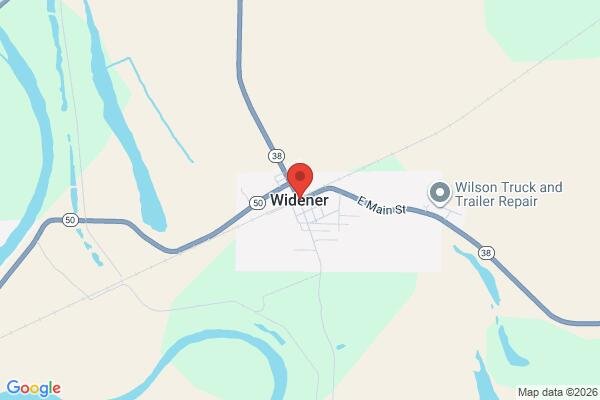
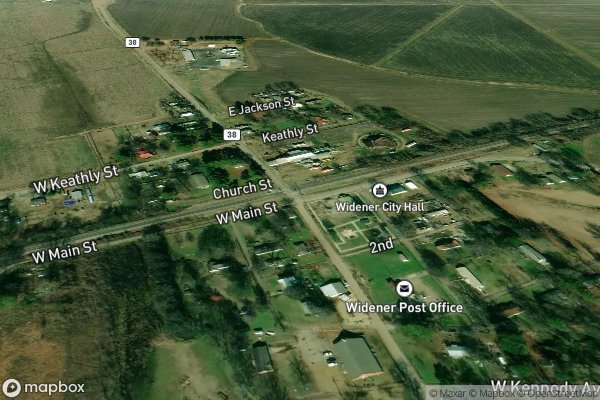
Why DIY Solutions Keep Failing You (And What’s Actually Happening Beneath the Surface)
Here’s the hard truth about pet stain and odor removal: what you see on the carpet surface represents only about 30% of the actual problem. When your cat or dog urinates on carpet, the liquid travels downward through the carpet fibers, past the backing, and directly into the padding underneath. Sometimes it even reaches the subfloor. Those enzymatic cleaners you bought at Walmart? They’re working on the visible stain, but they rarely penetrate deep enough to address the contaminated padding. In Widener’s older homes—particularly those built in the 1970s and 80s near Highway 64—many carpets sit on particularly absorbent foam padding that acts like a sponge for pet urine. You might scrub the surface until it looks pristine, but underneath, crystallized uric acid remains dormant until humidity reactivates it. That’s why the smell returns during our muggy Arkansas summers, typically from June through September when relative humidity regularly exceeds 75%.
The Three-Stage Approach Professional Technicians Use
Professional pet odor removal carpet services tackle the problem systematically, and understanding their approach helps you recognize when DIY efforts won’t cut it. First, technicians use UV blacklights to identify the full extent of contamination—often revealing spots you didn’t even know existed. Second, they apply enzyme treatment for pet urine carpet that actually reaches the padding level, using specialized injection equipment that forces solution through the carpet backing. Nature’s Miracle and Rocco & Roxie are popular enzyme brands, but professionals typically use commercial-strength formulations like Hydrocide or Thornell’s Outright Pet Odor Eliminator, which contain bacterial cultures specifically designed to break down uric acid crystals. The third stage involves extraction using truck-mounted systems that pull contaminated moisture from deep within the carpet structure—something your home carpet cleaner simply cannot replicate.
When Carpet Padding Replacement Pet Urine Becomes Non-Negotiable
Sometimes cleaning isn’t enough. If your pet has repeatedly soiled the same area, or if you’re dealing with cat urine smell removal from carpet (which contains higher concentrations of uric acid than dog urine), you’re likely facing padding replacement. Cat urine is notoriously difficult because cats often return to the same spot, creating layers of contamination that saturate padding completely. Professional assessment typically costs $75-$125 in the Widener area, and technicians will pull back carpet corners to inspect padding condition. For dog urine stain removal carpet situations involving single incidents, you might spend $200-$350 for deep enzyme treatment and extraction. However, if padding replacement is necessary, expect costs between $450-$800 for an average living room (approximately 200-300 square feet), which includes removal of contaminated padding, subfloor sealing with a primer like Kilz or BIN shellac-based sealer, new padding installation, and carpet reinstallation with restretching.
Warning Signs That Your Pet Stain Problem Has Escalated
Watch for these indicators that DIY approaches won’t solve your issue:
- Persistent odor after multiple cleaning attempts: If you’ve used enzymatic cleaners twice and the smell returns within 48-72 hours, contamination has reached the padding or subfloor
- Visible discoloration that doesn’t lift: Permanent yellowing or darkening indicates urine has oxidized carpet fibers and may have damaged dyes permanently
- Crunchy or stiff carpet texture: This indicates dried urine crystals throughout the carpet structure, requiring professional extraction
- Your pet repeatedly returns to the same spot: Animals can smell residual urine markers even when humans cannot, signaling incomplete odor removal
- Mold or mildew developing around the affected area: In Widener’s humid climate, moisture from repeated cleaning attempts can create secondary problems
- Multiple accidents in the same room: Once contamination spreads across more than 40-50% of a room, spot-cleaning becomes ineffective
Arkansas Humidity: Your Silent Enemy in Pet Odor Control
Living in eastern Arkansas means dealing with moisture levels that complicate pet stain and odor removal significantly. During spring and summer months, indoor humidity often mirrors outdoor conditions unless you’re running a dehumidifier consistently. This moisture reactivates uric acid crystals, creating that cyclical odor problem. Professional services in 72394 often recommend treating carpets in late fall or winter when humidity naturally drops, giving enzyme treatments optimal conditions to work without moisture interference. Some homeowners invest in whole-house dehumidifiers (running $200-$400 for quality units like Frigidaire or hOmeLabs models) specifically to prevent odor reactivation after professional treatment.
Finding the Right Professional Help in Widener
When selecting a pet odor removal carpet professional serving the 72394 area, ask specifically about their enzyme treatment process, whether they use UV detection equipment, and if they offer padding replacement services. Reputable technicians should provide free assessments and honest recommendations about whether cleaning will suffice or if replacement is necessary. Look for companies with IICRC (Institute of Inspection, Cleaning and Restoration Certification) credentials and those willing to guarantee their odor removal work—typically for 30-90 days post-treatment.
“`