“`html
When August Heat Makes Your Carpet Smell Like a Kennel
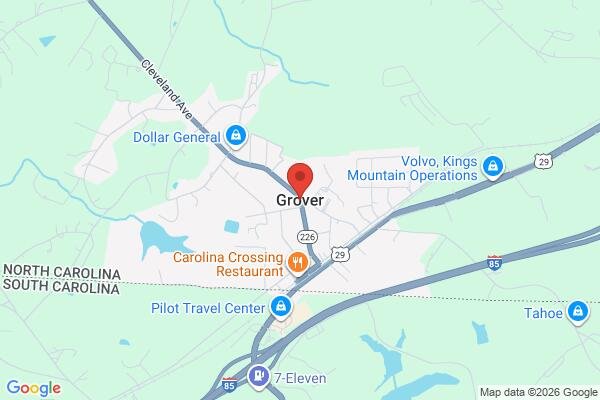
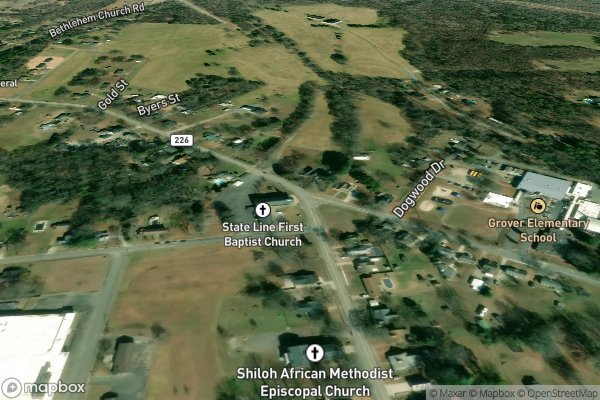
You walk through your front door after a long day, and instead of the welcoming comfort of home, you’re hit with that smell. Your golden retriever Max had an accident three weeks ago, and you thought you’d cleaned it up properly with some store-bought spray. But now, with Grover’s humidity creeping back up as summer peaks, the odor has returned with a vengeance. The carpet looks clean, but something’s clearly wrong underneath. This is the reality for countless pet-owning homeowners in the 28073 area, where our humid North Carolina climate doesn’t just affect your AC bill—it reactivates pet odors you thought were long gone.
Why That DIY Spot Cleaner Isn’t Solving Your Dog Urine Stain Problem
Here’s what most Grover homeowners don’t realize about pet stain and odor removal: surface cleaning rarely addresses the actual problem. When your dog or cat urinates on carpet, the liquid penetrates through the carpet fibers, past the backing, and directly into the carpet padding beneath. Sometimes it even reaches the subfloor. Those retail enzyme cleaners you bought at the grocery store? They’re designed for fresh accidents on hard surfaces, not for the crystallized uric acid that’s bonded to your padding after sitting for days or weeks. The real issue is that traditional cleaning methods like steam cleaning or DIY spot treatments can actually make matters worse by spreading the contamination and adding moisture that encourages bacterial growth in our humid climate.
The difference between cat urine smell removal from carpet and dog urine stain removal carpet comes down to concentration and chemistry. Cat urine contains higher levels of felinine and other sulfur-containing compounds, making it significantly more pungent and stubborn. Dogs tend to urinate in larger volumes but with less concentrated odor compounds. Either way, once that urine crystallizes in your padding, you’re fighting an uphill battle without professional intervention.
The Three-Level Approach: What Actually Works for Pet Odor Removal
Professional pet odor removal carpet services in Grover typically assess contamination on three levels, and your treatment needs will vary accordingly. Surface-level accidents—caught within minutes and immediately blotted—might only need enzyme treatment for pet urine carpet, which uses specific biological enzymes to break down uric acid crystals. A professional enzyme treatment typically runs $75-150 per room in the Grover area and takes 2-4 hours to complete properly, including dwell time for the enzymes to work.
Padding-level contamination—where urine has reached the padding but not the subfloor—requires carpet padding replacement pet urine in the affected sections. This isn’t as drastic as it sounds. Professionals can pull back your carpet, remove contaminated padding sections, treat the subfloor with enzymatic sealers, install new padding, and re-stretch your carpet. For a typical 10×12 bedroom in Grover, expect to pay $300-500 for padding replacement and reinstallation. It’s a half-day project that solves the problem permanently rather than masking it temporarily.
Subfloor penetration—the worst-case scenario—requires subfloor sealing or replacement. If you have the older hardwood subfloors common in Grover homes built before 1990, urine can soak deep into the wood grain. Professional services will need to apply specialized primers like Kilz or BIN shellac-based sealers after thoroughly cleaning the wood. This level of pet stain and odor removal runs $500-900 for a single room but is the only way to truly eliminate odors that have reached the wood.
How to Assess the Damage Level Yourself
Before calling a professional, you can determine how deep the contamination goes with this simple test. Pull back the corner of your carpet near the affected area—most carpet in Grover homes isn’t glued down, making this easier than you’d think. Check these indicators:
- Carpet backing discoloration: Yellow or brown staining on the carpet’s underside means urine penetrated the fibers
- Padding condition: Stiff, discolored, or crumbly padding indicates urine saturation requiring replacement
- Subfloor appearance: Dark staining or strong odor from the wood/concrete means the deepest level of treatment is necessary
- Multiple accident sites: If you find more stains than you remembered, your pet may have been targeting the same general area repeatedly
- Moisture presence: Dampness in the padding several days after an accident suggests inadequate initial cleanup
Common Mistakes That Make Pet Odors Worse in North Carolina’s Climate
The biggest mistake Grover homeowners make is using steam cleaners or hot water extraction on pet-contaminated carpet without proper enzymatic pre-treatment. Heat actually sets urine stains chemically, bonding them more permanently to carpet fibers. Our warm, humid summers compound this problem—when relative humidity hits 70-80% during July and August, moisture in your padding never fully dries, creating the perfect environment for odor-causing bacteria to thrive. That’s why odors often return or intensify during humid weather even months after the original accident.
Another critical error is assuming the problem is solved once the visible stain disappears. Your nose might adapt to the smell after a few days, but guests will notice immediately. More importantly, pets can smell urine concentrations 10,000 times weaker than humans can detect, which is why your dog or cat keeps returning to the same spot. Without complete odor elimination at the molecular level, you’re fighting a losing battle against repeat accidents.
Finding the Right Professional in Grover, NC
When you’re ready to tackle pet stain and odor removal seriously, look for carpet cleaning professionals serving the 28073 area who specifically mention enzymatic treatments and padding replacement services—not just standard steam cleaning. Ask whether they use moisture meters to assess subfloor damage and if they guarantee odor elimination rather than just stain removal. The right professional will inspect before quoting and explain exactly which level of treatment your specific situation requires.
“`