When Your Historic New London Home Smells Like a Kennel: The Truth About Pet Stain and Odor Removal
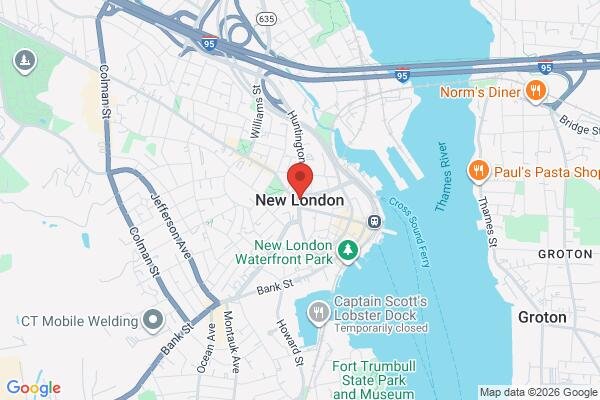
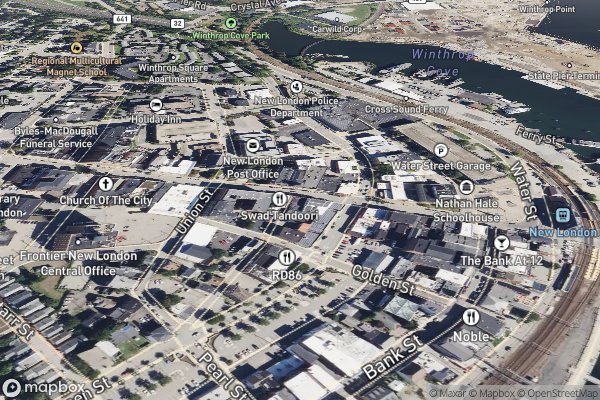
You’ve just returned from a weekend at Ocean Beach Park, and the moment you open your front door, it hits you—that unmistakable ammonia smell that makes your eyes water. Your beloved Golden Retriever had an accident (or three) while you were gone, and now your century-old hardwood-adjacent carpeting in your Federal Hill home is soaked through. The salty coastal humidity that we deal with here in New London, CT 06320 isn’t helping either—it’s actually amplifying the odor as moisture settles into the fibers. This isn’t just unpleasant; it’s a problem that DIY spot cleaners from the grocery store simply won’t fix.
Why Cat Urine Smell Removal From Carpet Requires More Than Surface Cleaning
Pet urine—especially cat urine—is chemically complex in ways that make standard carpet cleaning ineffective. When your cat misses the litter box and hits your bedroom carpet instead, the urine penetrates deep into carpet fibers, backing, and even the padding underneath. Within hours, bacteria begin breaking down the uric acid crystals, producing mercaptans (the same compounds in skunk spray) and ammonia. Here’s the problem: when New London’s coastal humidity spikes during summer months or during those damp Connecticut springs, these dormant crystals reactivate. You might think you’ve cleaned the stain, only to have the smell return stronger than ever when moisture levels rise.
The biggest mistake homeowners make is assuming that masking the odor solves the problem. Those pet-store enzymatic sprays? They’re designed for fresh accidents on hard surfaces—not for urine that’s been crystallizing in your carpet pad for weeks. What you actually need is enzyme treatment for pet urine carpet that’s powerful enough to break down the proteins at the molecular level, applied by someone who understands substrate saturation levels.
Three Warning Signs You Need Professional Pet Odor Removal Carpet Services Immediately
- The smell returns after cleaning: If odors reappear within 24-72 hours, especially during humid days, the contamination has reached your carpet padding or subfloor
- You notice dark staining or discoloration: This indicates repeated accidents in the same spot, meaning urine has thoroughly saturated multiple layers
- Your pets keep returning to the same area: Animals can detect urine scent long after humans can, and they’re drawn back to previously soiled spots
- Visible salt-like crystals appear on carpet surface: These are uric acid crystals that have wicked back up through the carpet fibers—a clear sign of deep contamination
- Hardwood floors beneath carpet show staining: In older New London homes with original wood floors, this indicates the problem has penetrated completely through
Dog Urine Stain Removal Carpet: Understanding Your Treatment Options
Professional pet stain and odor removal in the New London area typically ranges from $150-$400 depending on the severity and square footage involved. Here’s what different treatment levels actually include. Surface enzyme treatment (usually $150-$225) works for recent accidents where contamination hasn’t reached the padding—technicians apply commercial-grade enzymes that break down urine compounds, extract thoroughly, and may use UV lights to detect all affected areas. This process typically takes 2-3 hours and works well for dog urine on newer, well-maintained carpet.
For more serious contamination, carpet padding replacement pet urine becomes necessary, running $300-$500 for a typical bedroom. This involves pulling back the carpet, removing contaminated padding, treating and sealing the subfloor with enzymatic cleaners and odor-blocking primers, installing fresh padding, and reinstalling your carpet. In New London’s older homes—particularly those beautiful Victorians around Nameaug Avenue or the historic district—this often reveals additional issues like wood floor damage that needs addressing. The good news? Once properly treated, the problem is genuinely solved, not just masked.
There’s also a middle-ground option: hot water extraction with sub-surface injection ($225-$350). This process floods the affected area with enzymatic solution, forcing it through the carpet backing into the padding, then uses high-powered extraction to remove contaminated moisture. It’s more effective than surface treatment but less invasive than full padding replacement. The success rate depends heavily on how long the urine has been present and whether your carpet pad is standard foam or moisture-barrier style.
Questions Every New London Homeowner Should Ask Before Hiring
When calling carpet cleaning companies serving the 06320 area, ask these specific questions: Do they use UV detection to find all contaminated areas, including ones you can’t smell yet? What enzyme concentration do they use, and does it work on both fresh and crystallized urine? Will they test your subfloor for contamination before recommending treatment? Do they offer any guarantee—and what exactly does it cover? Finally, ask about their experience with homes built before 1950, since older New London properties often have horsehair plaster dust and settling issues that affect carpet installation.
Finding Qualified Pet Odor Removal Specialists in New London, CT
Look for carpet professionals in New London who specifically mention enzyme treatments and padding replacement in their services—not just general “pet stain removal.” Check that they’re willing to provide written estimates after inspecting the damage in person, and ask about their warranty policies specific to odor return. Your nose—and your guests—will thank you for choosing expertise over the cheapest quote.