“`html
When Your Beloved Pet Turns Your Living Room Into a Biohazard Zone
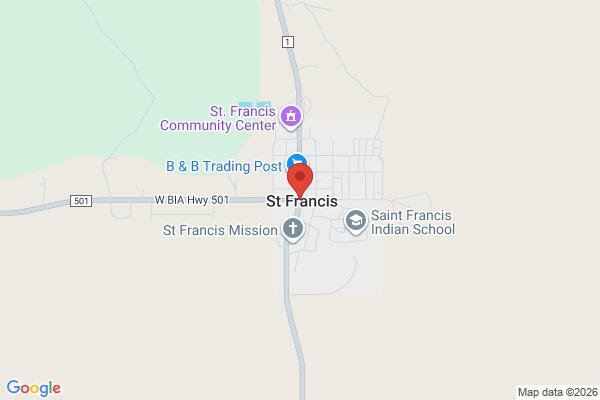
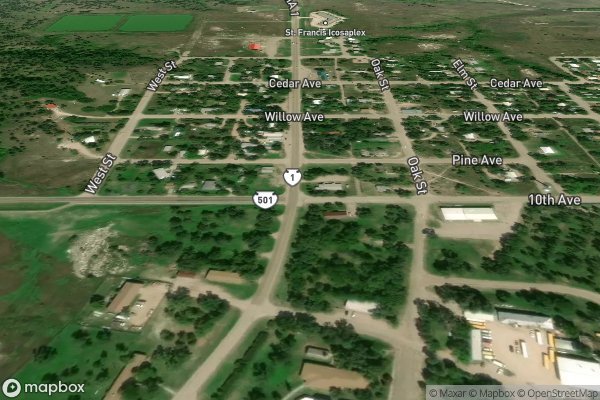
It’s 6 AM on a January morning in Saint Francis, and you’ve just stumbled out of bed to discover your eight-year-old Lab had an accident—again. The carpet in the hallway feels damp under your socks, and that unmistakable ammonia smell hits you like a wall. You grab paper towels and start blotting, but deep down, you know this isn’t the first time, and that padding underneath is probably soaked through. With South Dakota’s dry winter air, you’d think things would dry out quickly, but that cat urine smell removal from carpet becomes a whole different beast when it’s penetrated multiple layers. Welcome to the reality of pet ownership in 57572, where our furry friends sometimes create challenges that go way beyond what a vacuum and some Febreze can handle.
Why Your DIY Attempts Keep Failing (And What’s Actually Happening Below the Surface)
Here’s the hard truth about dog urine stain removal carpet projects: what you see on the surface represents maybe 30% of the actual problem. When Fluffy or Rex has an accident, urine doesn’t just sit on top of your carpet fibers like spilled juice. It travels downward through the carpet backing, into the padding, and sometimes even into the subfloor itself. The average pet accident contains uric acid crystals that bond to whatever surface they touch, and these crystals are incredibly stubborn. They’re not water-soluble, which means all the scrubbing with soap and water you’re doing? You’re basically just spreading the problem around and diluting it temporarily. Once Saint Francis’s humidity levels rise in spring and summer, those crystals reactivate, releasing that smell all over again. You’ll think you’ve solved it in February, only to have your living room smell like a kennel come May.
The other mistake homeowners make is using the wrong cleaning products. Standard carpet cleaners, vinegar solutions, and especially steam cleaners can actually make pet odor worse. Steam heat activates the uric acid crystals and helps them bond even more permanently to your carpet fibers. If you’ve ever steam-cleaned a pet stain only to have it smell worse afterward, now you know why. What you actually need for effective pet stain and odor removal is an enzyme treatment for pet urine carpet—and not just any enzyme cleaner from the grocery store. Professional-grade enzyme treatments contain specific bacteria that literally consume the uric acid crystals, breaking them down at a molecular level.
Should You Call a Pro or Handle It Yourself? Here’s Your Decision Framework
Not every pet accident requires calling in the cavalry, but knowing when to escalate is crucial. Use this assessment method: if the stain is fresh (less than 24 hours old), smaller than a dinner plate, and it’s the first incident in that spot, you can probably handle it with a quality enzyme cleaner from a pet store. Blot—don’t rub—the area thoroughly with clean white towels. Apply the enzyme treatment generously (you want it to reach as deep as the urine traveled), and let it sit for the full time recommended on the bottle, usually 10-15 minutes. Don’t rinse it out; let those enzymes do their work.
However, you need pet odor removal carpet professional services if you’re dealing with:
- Multiple accidents in the same area – The padding is definitely compromised at this point
- Old stains you’re just discovering – That previous owner’s cat might have left you an unpleasant surprise
- Persistent smell despite cleaning attempts – The urine has reached the subfloor
- Large affected areas (bigger than 2×2 feet) – DIY methods won’t penetrate adequately
- Visible carpet discoloration or texture changes – The fibers are damaged and need professional assessment
- Black light reveals numerous spots – Yes, buy a black light; you might be horrified but at least you’ll know the scope
What Professional Pet Stain Removal Actually Involves in Saint Francis
When you hire a legitimate carpet cleaning company for pet odor removal in the 57572 area, here’s what should happen. First, they’ll use moisture meters and UV lights to map out exactly where the contamination exists—not just where you can see stains. Professional-grade extraction equipment then applies enzyme treatments under pressure, forcing the solution deep into padding and backing. They’ll let that dwell for 30-45 minutes while those enzymes work their magic. Next comes hot water extraction (not steam cleaning), which pulls out the liquefied uric acid crystals along with the enzyme solution.
For seriously compromised areas, you might need carpet padding replacement pet urine situations. This means pulling up the carpet, removing the damaged padding, treating the subfloor with a sealing primer (especially important for South Dakota’s older homes with wooden subfloors), installing fresh padding, and re-stretching the carpet. It’s not cheap—expect to pay $200-400 for a typical bedroom depending on the extent of damage—but it’s the only way to truly eliminate odor when padding is saturated. Standard whole-house professional pet stain and odor removal without padding replacement typically runs $150-300 for homes in Saint Francis, varying by square footage and severity.
Finding the Right Carpet Professional in Saint Francis, SD
When you’re ready to bring in professional help, ask potential contractors these specific questions: Do they use truck-mounted extraction equipment or portable units? (Truck-mounted is more powerful.) What’s their enzyme treatment dwell time? (Anything less than 20 minutes is rushing the process.) Do they offer a satisfaction guarantee specifically for odor removal? (Some companies guarantee stain removal but won’t guarantee odor elimination—that’s a red flag.) Finding a qualified carpet care professional in Saint Francis who understands the unique challenges of pet stain and odor removal can make the difference between a fresh-smelling home and a recurring nightmare.
“`