When Your Living Room Smells Like a Litter Box: The Hidden Problem Under Your Cottage Grove Carpets
Last summer, a homeowner in the 38224 area opened her windows to let in that pleasant Tennessee breeze, only to realize the musty smell she’d blamed on humidity for months was actually coming from her own carpets. Her elderly cat had been missing the litter box, and the accidents had soaked through to the padding below. What started as a few isolated incidents had turned into a full-blown odor problem that permeated her entire home. If you’re reading this, you probably know exactly how she felt—that sinking realization that surface cleaning isn’t going to cut it anymore.
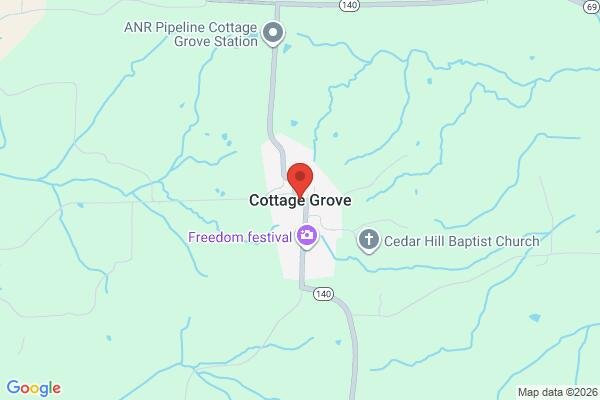
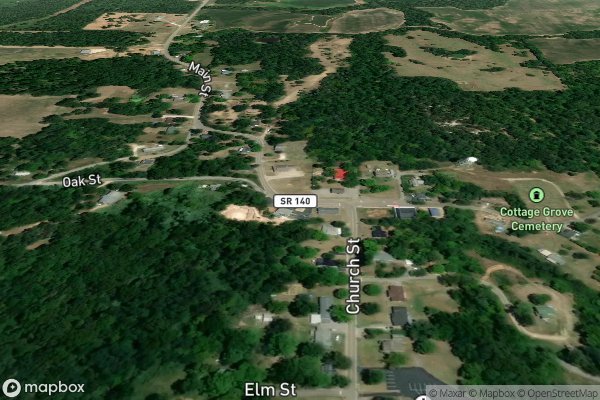
The truth about pet stain and odor removal is that Tennessee’s warm, humid climate makes these problems particularly stubborn. Moisture gets trapped in carpet fibers and padding, creating the perfect environment for bacteria growth. That’s why cat urine smell removal from carpet in Cottage Grove requires a different approach than you’d need in drier climates. The ammonia compounds in pet urine crystallize when they dry, then reactivate with humidity—which explains why the smell seems worse on those sticky August afternoons when the air conditioning can barely keep up.
Why Store-Bought Solutions Often Make Things Worse
Before spending another $40 on pet odor sprays at the big box store, understand what you’re dealing with. Dog urine stain removal carpet challenges differ from cat urine problems in key ways. Dog urine tends to be more diluted and spread over larger areas, while cat urine is concentrated and penetrates deeper. Both contain uric acid that bonds to carpet fibers at a molecular level, which is why that vinegar-and-baking-soda solution you found online only masks the smell temporarily.
Here’s what typically happens: You spray a commercial cleaner on the visible stain. It might smell like fresh linen or mountain breeze for a few days. Then the scent fades, and you’re back where you started—or worse. Many retail products contain chemicals that actually set the stain deeper into the carpet backing. Others temporarily neutralize odors without addressing the source, which means bacteria continue multiplying in the padding below. This is especially problematic in Cottage Grove’s older homes, where carpet padding might already be compressed and holding moisture against the subfloor.
Four Warning Signs You Need Professional Pet Odor Removal Carpet Professional Services
- Multiple layers affected: If you can press down on the carpet and feel dampness, or if the floorboards beneath feel soft, urine has penetrated through the padding to the subfloor
- Returning odors: The smell disappears after cleaning but comes back within 24-48 hours, indicating crystallized urine compounds are reactivating with moisture
- Discoloration that spreads: Pet stains that keep growing larger after the initial incident suggest urine is wicking through carpet fibers from saturated padding
- Texture changes: Carpet feels stiff, crunchy, or matted in affected areas even after cleaning—a sign of protein buildup from repeated accidents
How Professional Enzyme Treatment for Pet Urine Carpet Actually Works
Pet odor removal carpet professional services in the Cottage Grove area typically start with a black light inspection to identify all affected areas—not just the ones you can see or smell. You might think you’re dealing with three or four spots, but professionals often find a dozen or more that have been masked by furniture or room deodorizers. This matters because proper enzyme treatment for pet urine carpet requires treating every contaminated area simultaneously to prevent cross-contamination.
Professional-grade enzyme cleaners work differently than retail products. They contain specific bacteria cultures that literally digest the organic compounds in urine, breaking down proteins and uric acid at a molecular level. The process typically takes 24-48 hours to complete, which is why professionals often apply the treatment and then return for extraction. In Cottage Grove, expect to pay $150-$300 for professional enzyme treatment of a standard living room, depending on the severity of contamination. That might seem steep compared to a $15 bottle from the store, but you’re paying for commercial-strength enzymes and the knowledge to use them correctly.
However, here’s the hard truth: enzyme treatments only work if they can reach the contaminated material. If urine has saturated the padding—which happens more often than homeowners want to admit—carpet padding replacement pet urine becomes necessary. The padding itself is inexpensive, usually $3-$5 per square yard, but labor costs bring the total to $400-$800 for an average room in the 38224 area. Before you balk at the price, consider that leaving contaminated padding in place means you’re essentially paying for treatments that can never fully succeed.
The DIY Assessment That Could Save You Hundreds
Pull back a corner of your carpet in the affected area. (Choose a spot where it won’t show if you’re not ready to commit to repairs yet—inside a closet works well.) Look at the padding underneath. Fresh pet urine creates yellow-brown staining that’s obvious. Old, set-in contamination appears as dark brown or black staining with a crusty texture. Smell the padding directly. If the odor is overwhelming at carpet level but barely noticeable on the padding itself, you might get away with deep cleaning. If the padding smells worse than the carpet surface, replacement is your only real option.
Finding the Right Professional in Cottage Grove, TN
When getting quotes for pet stain and odor removal services in the 38224 area, ask specifically about their enzyme products—professionals should be able to name brands like Bridgepoint Bio-Break or similar commercial formulations. They should also discuss moisture barriers and subfloor sealing if padding replacement is involved, especially important in Tennessee’s humid climate. Look for technicians who explain the “why” behind their recommendations, not just push the most expensive option.