When Your Navy Yard Condo Carpet Tells Tales You’d Rather It Didn’t
You’re giving the virtual tour to potential buyers, panning your phone camera across your beautifully renovated Washington Navy Yard condo. Everything looks pristine—until you notice their noses wrinkling through the screen. Your beloved retriever had that accident six months ago near the balcony doors, and despite three rounds of store-bought cleaners, DC’s humid summer has reactivated that unmistakable ammonia scent. Welcome to every pet owner’s nightmare: invisible pet stain and odor removal challenges that sabotage your home’s value and your peace of mind.
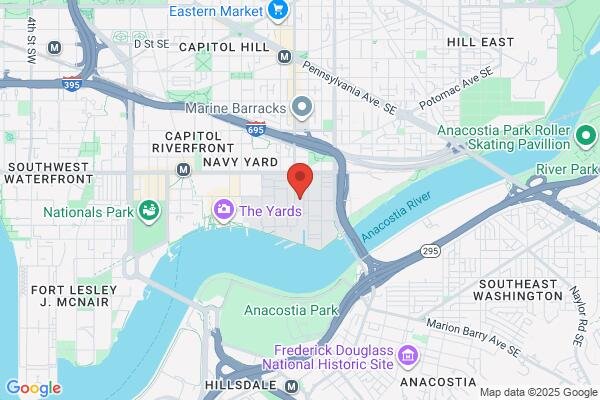
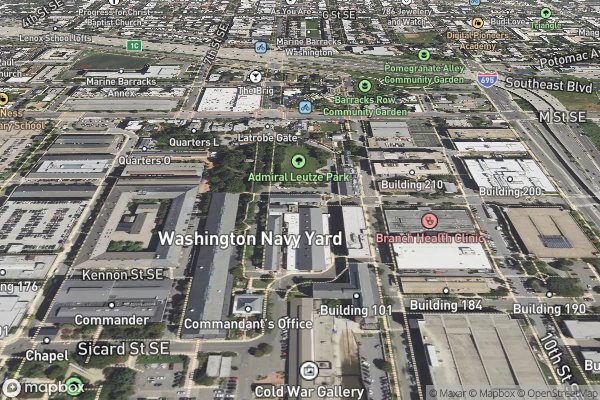
The reality is that Washington Navy Yard’s housing stock—from converted industrial lofts to newer waterfront condos in the 20388 area—presents unique challenges for pet owners. The humidity rolling off the Anacostia River can reactivate dried urine crystals months after you thought you’d conquered the problem. What seems like a solved issue in January’s dry cold becomes embarrassingly apparent by July. Here’s what actually works when your carpet has become your pet’s unfortunate bathroom backup.
Why That Cat Urine Smell Removal From Carpet Isn’t Working
Most Washington Navy Yard homeowners make the same costly mistake: they treat the carpet surface while the real problem lurks beneath. When Fluffy misses the litter box, urine doesn’t politely stay on top of your carpet fibers. It penetrates deep into padding, and in older Navy Yard buildings with concrete subfloors, it can even pool in microscopic surface irregularities. You’re not fighting a stain—you’re fighting chemistry.
Traditional cleaners actually make things worse. Soap-based products leave residues that attract dirt, creating a dingy halo around the original spot. Worse, ammonia-based cleaners mimic the smell of urine to your pet, essentially creating a neon “pee here again” sign. Your dog isn’t being spiteful when they revisit the same spot—you’ve accidentally marked it as the designated bathroom.
The Three-Level Assessment: Where’s the Damage Really Hiding?
Before throwing money at the problem, determine what you’re actually dealing with. Here’s your DIY assessment protocol:
- The Blacklight Test: Wait until dark, close your blinds, and scan your carpet with a UV flashlight (around $15 at hardware stores). Pet urine glows yellow-green under UV light, revealing the true extent of damage—often three times larger than visible stains.
- The Moisture Meter Check: If you’ve cleaned recently but odor persists, a moisture meter ($20-40) tells you if liquid has soaked into padding. Readings above 15% indicate padding involvement.
- The Sniff Geography Test: Get nose-level with your carpet on a humid day. If the smell intensifies near baseboards or under furniture, you’re dealing with wicking—moisture from pad or subfloor pulling contamination back to the surface.
- The Timeline Factor: Accidents less than 48 hours old might respond to aggressive DIY treatment. Anything older has likely crystallized, requiring professional enzyme treatment for pet urine carpet work.
What Actually Works: From Enzyme Treatments to Carpet Padding Replacement
For Washington Navy Yard homeowners, effective dog urine stain removal carpet solutions come down to matching the treatment to the damage level. Surface-only accidents (caught within hours) might respond to enzyme cleaners like Nature’s Miracle or Rocco & Roxie, which break down uric acid crystals rather than masking them. Apply generously—you need to saturate as deeply as the urine penetrated—and let it dwell for 24 hours under plastic sheeting. DC’s summer humidity actually helps here, keeping the enzymes active longer.
But here’s the hard truth about carpet padding replacement pet urine scenarios: if you’re dealing with multiple accidents, especially in high-traffic areas near your M Street-facing windows where sunlight has baked the urine into the padding, DIY solutions won’t cut it. Professional pet odor removal carpet professional services in the Navy Yard area typically run $150-300 for treatment of a 10×12 room, including sub-surface injection of commercial-grade enzymes. If padding replacement is needed—and it often is with chronic accidents—expect $400-700 for that same room, including pad removal, subfloor sealing with an enzyme-based primer, new pad installation, and carpet reinstallation.
Common Mistakes That Turn $200 Problems Into $2,000 Renovations
Washington Navy Yard residents, especially those in the historic conversion buildings near the Yards Park, often compound pet damage through well-intentioned mistakes. Steam cleaning sounds logical, but heat permanently sets urine stains by bonding proteins to carpet fibers—you’ve essentially cooked the stain into place. Similarly, using too much water without proper extraction creates a breeding ground for mold in DC’s humid climate. One Navy Yard homeowner I know created a $3,000 mold remediation problem trying to save $300 on professional cleaning.
Another timing mistake: waiting to address the problem until you’re listing your home. Buyers’ inspectors in the 20388 area now routinely use moisture meters and UV lights during inspections. That hidden damage becomes a negotiation point costing thousands off your asking price.
Finding the Right Professional Help in Washington Navy Yard
When you’re ready for professional pet stain and odor removal help, look for carpet cleaning companies serving Washington Navy Yard that offer enzyme injection services (not just surface treatment) and can show you moisture readings before and after treatment. Ask specifically about their subfloor sealing process and whether they’re experienced with the concrete foundations common in Navy Yard’s converted industrial buildings. The right professional doesn’t just clean your carpet—they solve the chemistry problem underneath it.