When Your Winter Guests Leave More Than Just Memories in Your Center Conway Carpet
Last February, your sister’s family stayed for the long President’s Day weekend at your Center Conway home. Her aging Labrador, Max, seemed fine—until Tuesday morning when you discovered a massive wet spot near your living room baseboard. With temperatures hovering around 15°F outside and the heating system running full blast, that dog urine stain dried into your carpet padding within hours. Now, three months later, every humid spring day in the 03813 area brings that ammonia smell roaring back to life. Sound familiar?
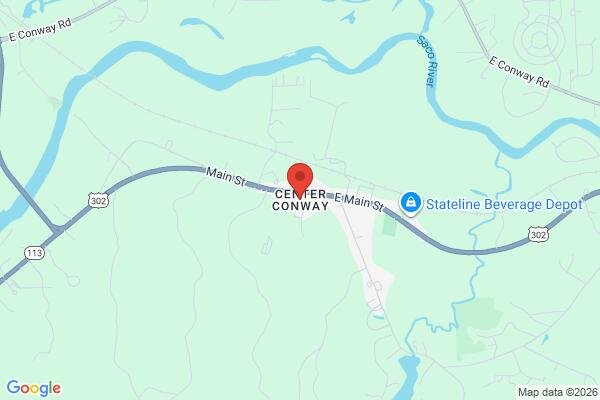
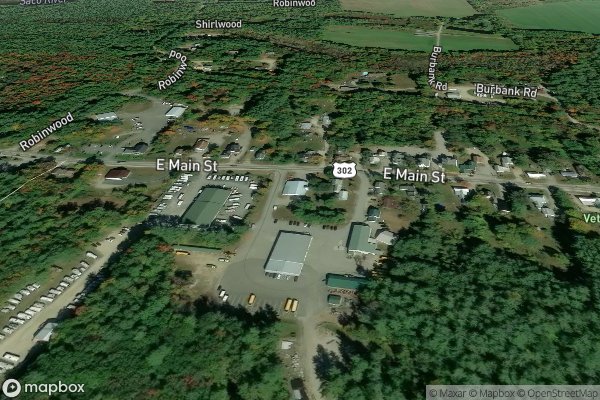
Pet accidents happen, especially in our Mount Washington Valley homes where pets spend more time indoors during New Hampshire’s brutal winters. But here’s what most Center Conway homeowners don’t realize: that visible stain on your carpet’s surface represents only 20-30% of the actual problem. The real damage sits in your carpet padding and potentially even your subfloor.
Why Cat Urine Smell Removal from Carpet Requires a Different Strategy Than Dog Problems
Not all pet urine is created equal, and this matters tremendously for effective pet stain and odor removal. Cat urine contains higher concentrations of uric acid crystals that bond to surfaces and reactivate with moisture—which explains why that old cat accident from last autumn suddenly announces itself during April’s snow melt when your home’s humidity spikes. Dogs produce more volume but lower acid concentration, meaning dog urine stain removal carpet treatments often succeed with less aggressive intervention.
Here’s your DIY assessment process before calling professionals:
- Use a blacklight inspection: Wait until evening, close your blinds, and sweep a UV blacklight ($15-25 at hardware stores) across your carpet. Pet urine glows yellow-green, revealing the true extent of contamination that’s invisible to naked eyes.
- Check the padding: Pull back carpet edges near baseboards or in closets. If padding feels crusty or crumbles, urine has penetrated completely through.
- Perform the smell test strategically: Put your nose close to the carpet on humid days (60%+ humidity). If odor intensifies dramatically compared to dry days, moisture is reactivating uric acid crystals trapped deep in fibers.
- Test your subfloor: In severe cases, lift carpet completely in a small area. Dark staining on wood subflooring indicates you’re beyond carpet-only solutions.
Three Common Mistakes That Make Pet Odor Removal Carpet Problems Worse
Center Conway homeowners often sabotage their own efforts without realizing it. First, using steam cleaners on pet urine actually sets the stain permanently by heating proteins in urine until they bond chemically with carpet fibers—think of it like cooking an egg. Second, retail enzyme cleaners from big box stores rarely work on stains older than 48 hours because they can’t penetrate to padding level where most contamination lives. You’re essentially treating the symptom, not the disease. Third, masking odors with Febreze or carpet deodorizers just creates a temporary perfume layer. Within days, especially as spring humidity rolls into the Mount Washington Valley, those ammonia smells punch through again.
What Professional Enzyme Treatment for Pet Urine Carpet Actually Involves
Legitimate pet odor removal carpet professional services in the Center Conway area should follow a specific protocol. First, technicians perform moisture detection testing to map exactly where urine has traveled—it spreads horizontally under carpet, often extending 12-18 inches beyond the visible stain. Next comes extraction of contaminated areas using truck-mounted systems (not portable machines) that pull urine out rather than pushing it deeper. Then professionals apply commercial-grade enzyme treatments that actually break down uric acid crystals at the molecular level. These aren’t the consumer products you find at PetSmart; professional enzymes like Bridgepoint’s Bio-Modifier or Chemspec’s Urine Pre-Treatment cost $40-60 per gallon wholesale and require 24-48 hours of dwell time.
For Center Conway homes, expect these general investment ranges: Surface-level treatment for fresh accidents runs $150-250 per room. Moderate contamination requiring padding treatment costs $300-450 per affected area. Severe cases needing carpet padding replacement pet urine solutions range from $600-1,200 depending on room size, because technicians must remove carpet, cut out contaminated padding, treat and seal subfloors with enzymatic sealers like Kilz or BIN primer, install new padding, then reinstall carpet.
When Center Conway’s Climate Makes Professional Help Non-Negotiable
Our area’s dramatic temperature and humidity swings—from winter’s dry 20% indoor humidity to summer’s muggy 70%+ days—create unique challenges. If you’re experiencing any of these warning signs, DIY efforts won’t cut it: smell returns every time humidity rises above 50%, you’ve shampooed the area three or more times without improvement, staining has spread wider than the original accident site, or you’re planning to sell your home within the next year (buyers and inspectors will definitely notice).
Finding Qualified Pet Stain and Odor Removal Experts in Center Conway, NH
When vetting professionals serving the 03813 area, ask specifically about their enzyme treatment protocols, whether they use truck-mounted extraction equipment, and if they offer guarantees against odor return. The right contractor should assess your padding and subfloor conditions before quoting prices—anyone who gives firm numbers over the phone hasn’t properly diagnosed your problem.