“`html
When Your Colonial Gets That Unmistakable Smell: Pet Odor Problems in Middlefield Homes
You’ve just hosted your first holiday gathering in your Middlefield home, and as guests leave, your sister pulls you aside. “I think you might have a pet accident somewhere,” she whispers. Your heart sinks. You thought you’d cleaned up that incident from three weeks ago when Buddy had his upset stomach episode. But here’s the hard truth: what looks clean on the surface of your carpet often masks a much deeper problem, especially in our Connecticut humidity. That September moisture or April dampness doesn’t just affect your basement—it reactivates pet odors you thought were long gone, turning your living room into an embarrassing reminder that surface cleaning simply isn’t enough.
Why DIY Pet Stain and Odor Removal Often Falls Short
Most Middlefield homeowners make the same critical mistake when dealing with cat urine smell removal from carpet or dog urine stain removal carpet situations: they treat the surface without addressing what’s underneath. When your pet has an accident, the urine doesn’t just sit on top of the carpet fibers. It seeps down through the backing and into the padding, sometimes even reaching the subfloor. You might rent a Rug Doctor from the Durham hardware store and see the stain disappear, but within days—especially during our humid Connecticut summers—the smell returns with a vengeance.
Here’s what’s actually happening beneath your feet. Pet urine contains uric acid crystals that bond tightly to any porous material they touch. These crystals are incredibly stable and can remain dormant for years. When moisture from our morning fog or seasonal humidity hits them, they reactivate and release that distinctive ammonia smell. Standard carpet cleaners can’t break down these crystals—they just mask the odor temporarily. This is precisely why enzyme treatment for pet urine carpet is the only legitimate solution. Enzymes literally digest the uric acid crystals, eliminating the source rather than covering it up.
Five Warning Signs You Need Professional Pet Odor Removal Carpet Services
Before you spend another weekend scrubbing carpets with vinegar solutions, assess whether you’re facing a problem that requires professional intervention. Here are the clear indicators:
- The sniff test fails: You can smell urine when entering the room, even after multiple cleanings
- Your pet keeps returning to the same spot: Animals are drawn back to areas marked with their scent, creating a repeat-offense cycle
- Visible discoloration remains: If you see yellow or brown staining after cleaning, the damage has penetrated deep
- The carpet feels damp or spongy: This indicates padding saturation, which means carpet padding replacement pet urine may be necessary
- You’ve had multiple accidents in the same area: Layered contamination requires professional-grade equipment and solutions
- The odor intensifies with weather changes: Connecticut’s seasonal humidity swings are literally reactivating crystallized urine in your padding
What Professional Pet Odor Removal Actually Involves (And What It Costs)
Professional pet odor removal carpet professional services in the Middlefield area typically range from $150 to $400 for a standard room, depending on contamination severity. Here’s what that investment gets you: technicians first use UV blacklights to identify all contaminated areas—you’d be shocked how many “invisible” spots light up. They then apply commercial-grade enzyme treatments that work over 24-48 hours to break down uric acid crystals. For severe cases involving carpet padding replacement pet urine damage, expect $300-$600 per room, as technicians need to pull up your carpet, remove and dispose of contaminated padding, treat the subfloor with sealant (critical in our older Middlefield homes where subflooring is often original), install new padding, and re-stretch your carpet.
The subfloor sealing step is particularly important in Middlefield’s housing stock. Many of our homes along Route 147 and in the older sections near the town center were built in the 1950s-1970s with plywood subfloors that act like sponges for pet urine. Without proper sealing using products like Kilz or BIN primer, the wood will continue releasing odors indefinitely. A quality local professional knows this and won’t skip this crucial step.
The Connecticut Humidity Factor: Why Timing Matters
If you’re dealing with pet odor issues, schedule professional treatment during our drier months—typically late June through August or mid-winter when indoor heating keeps humidity down. Enzyme treatments need specific conditions to work effectively, and Connecticut’s notorious spring dampness (we’re talking 70-80% humidity some April mornings) can actually inhibit the enzyme action. Plus, carpets treated during lower-humidity periods dry faster, reducing the risk of mold growth—something particularly concerning in Middletown’s vicinity given our water table and soil moisture levels.
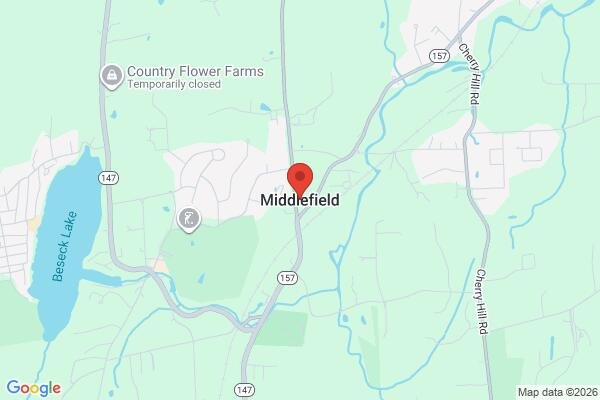
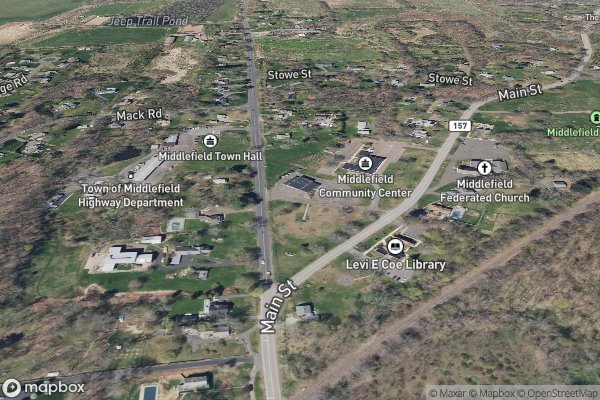
Finding the Right Carpet Professional in the 06455 Area
When interviewing carpet professionals for pet stain and odor removal in Middlefield, ask specifically about their enzyme treatment products and whether they inspect padding and subfloors as standard practice. A qualified technician should offer a satisfaction guarantee and be willing to return if odors persist after the initial treatment has had time to work. Look for professionals serving the 06455 area who understand Connecticut homes and can explain their approach to both surface and subsurface contamination—your nose (and your guests) will thank you.
“`